Planner Book: Elevate Your Planning with a Handwritten Touch
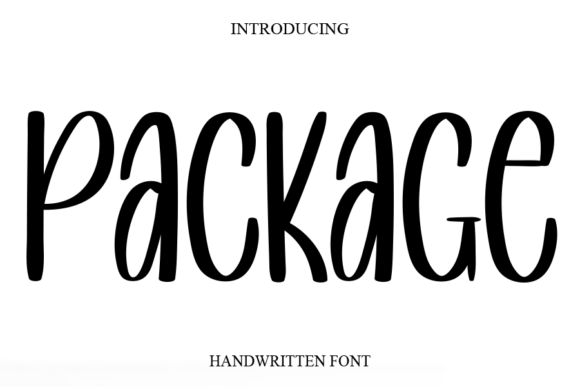
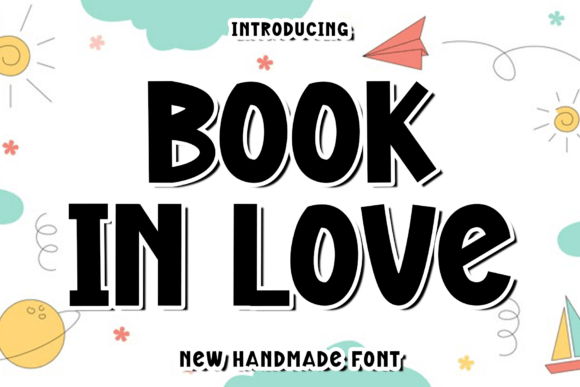
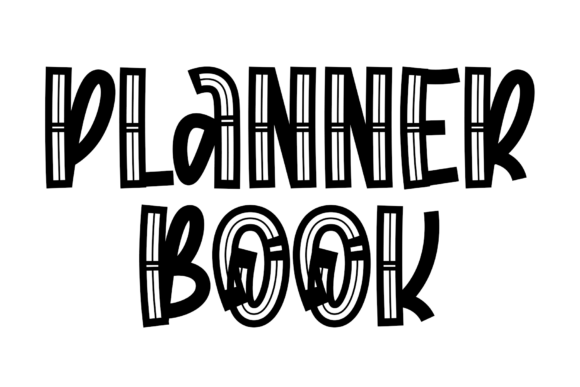
In an age dominated by digital interfaces and automated systems, the Planner Book emerges as a refreshing alternative that blends practicality with artistic flair. Designed as a handwritten display font, Planner Book brings a unique charm to any planning or creative project. Its high contrast, thick visual weights, and irregular personality make it not just a font but a statement. Whether you're designing custom digital planner layouts, crafting bullet journal sticker vectors, or creating teacher appreciation greeting cards, Planner Book can be your go-to tool for adding a touch of handmade authenticity.
The Strategic Value of Planner Book in Modern Planning
At its core, Planner Book is more than just a font—it’s a strategic asset. It allows planners, creatives, and professionals to communicate their ideas with a sense of warmth and individuality that often gets lost in generic digital formats. For entrepreneurs and small business owners, this font can serve as a powerful branding element, helping to create materials that feel personal and intentional rather than mass-produced.
Consider using Planner Book for customer-facing content such as bakery menu boards or promotional flyers. The font's irregularity and handcrafted look can help differentiate your brand from competitors who rely on standard sans-serif fonts. This subtle distinction can significantly impact how your audience perceives your brand—making it feel more approachable, authentic, and human.
When and How to Use Planner Book Effectively
While Planner Book is versatile, it thrives best in specific contexts where its character can shine. It works exceptionally well in minimalist designs where the font becomes the focal point. Think about using it for titles in presentations, headings in digital planners, or labels in bullet journals. Its boldness ensures readability without overwhelming the viewer, making it ideal for both print and digital media.
However, it's important to consider the balance when using Planner Book. Since it's a display font, it shouldn't be used for long blocks of text. Instead, use it sparingly for headlines, subheadings, and key points. Pairing it with a clean, readable body font will ensure your content remains accessible while still maintaining that artisanal feel.
Practical Applications Across Industries
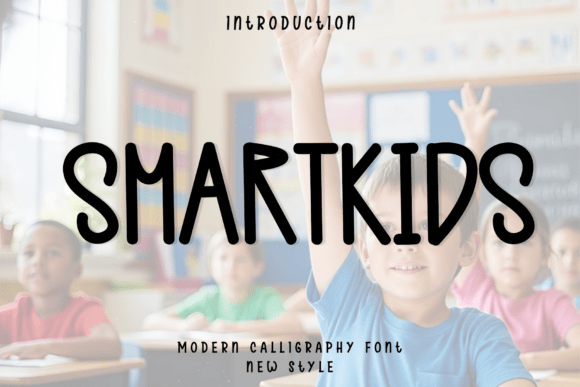
For educators, Planner Book can be a valuable tool in creating visually engaging classroom materials. From children's school notebook covers to teacher appreciation cards, the font adds a sense of care and creativity that resonates with students and colleagues alike. Teachers can also incorporate it into lesson plans or activity sheets to make learning feel more interactive and fun.
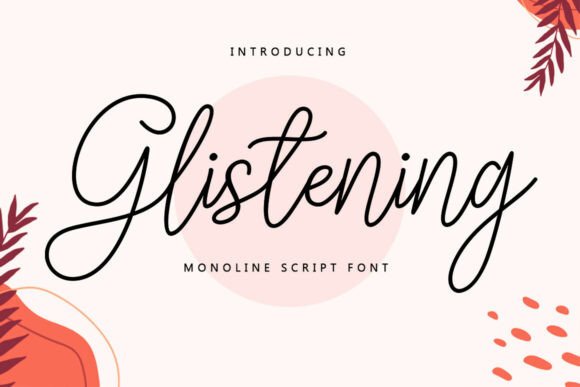
Freelancers and bloggers may find Planner Book particularly useful for creating custom digital planner layouts. By integrating the font into their personal branding, they can establish a cohesive aesthetic across all their platforms—from websites to social media posts. This consistency helps reinforce their brand identity and makes their work more memorable.
Crafters and DIY enthusiasts will appreciate how Planner Book enhances projects on Cricut or Silhouette machines. Whether designing stickers, labels, or decorative elements, the font’s quirky personality adds a unique touch that elevates the final product. It's especially effective in projects that aim to evoke nostalgia or a handmade vibe, such as scrapbooking or personalized gift tags.
Strategic Considerations Before Using Planner Book
Before incorporating Planner Book into your workflow, it's essential to align its use with your overall goals. Ask yourself: What message am I trying to convey? Who is my target audience? Does this font support the tone and purpose of my project?
If you're aiming for a professional appearance, Planner Book might not be the best fit unless it's used strategically. However, if your goal is to stand out with a creative or personal touch, then it could be exactly what you need. Always test the font in different contexts and sizes to ensure it meets your expectations before finalizing your design.
Another consideration is legibility. While Planner Book is visually striking, it may not be suitable for all audiences. Ensure that the text remains easy to read, even when viewed from a distance or in low-light conditions. This is especially important for signage, posters, or other public-facing materials.
Maximizing Creativity and Productivity with Planner Book
One of the most compelling aspects of Planner Book is its ability to inspire creativity. Its irregularity encourages users to think outside the box and approach their projects with a sense of playfulness. This can be particularly beneficial for those involved in creative fields such as graphic design, illustration, or content creation.
For individuals looking to boost productivity, Planner Book can help transform mundane tasks into enjoyable activities. Incorporating it into daily planners or weekly schedules can make tracking progress feel less like a chore and more like a creative process. This shift in mindset can lead to better focus, motivation, and overall satisfaction with one's work.
Additionally, using Planner Book can enhance the learning experience for students or professionals undergoing training. By making study materials more visually appealing, learners are more likely to engage with the content and retain information effectively.
Risks of Using Planner Book Without Clear Intent
While Planner Book offers numerous benefits, it's important to recognize the potential risks of using it without clear intent. If used indiscriminately, it can come across as unprofessional or overly whimsical, which may not align with certain brand identities or professional settings.
Moreover, overusing Planner Book can dilute its impact. Like any design element, it should be used intentionally to avoid cluttering your visuals. Always consider the context and audience before deciding on its placement within your design.
Finally, relying solely on Planner Book without considering other typographic elements can limit your design possibilities. It's best to use it as part of a broader typography strategy that includes complementary fonts and styles.
Conclusion: Embrace the Joy of Planning with Planner Book
Planner Book is more than just a font—it's a creative tool that can enhance your planning, communication, and branding efforts. By understanding its strengths and limitations, you can use it to create visually stunning and meaningful content that resonates with your audience.
Whether you're an educator, entrepreneur, designer, or hobbyist, Planner Book offers a unique opportunity to infuse your work with a sense of joy and authenticity. So why not give it a try? Let your planning reflect the beauty of your ideas and the creativity that drives you forward.