MOLLY Font: A Vintage Key-Themed Typeface Evaluation
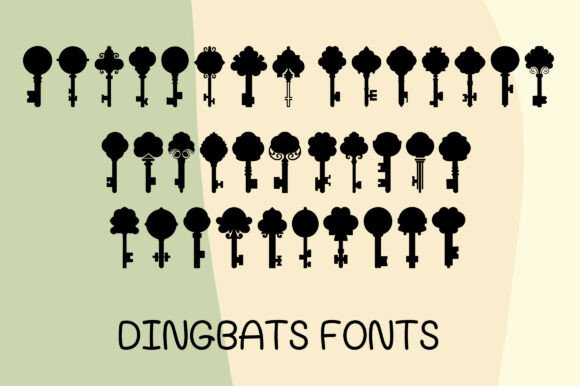
The digital design landscape is vast, with thousands of typefaces available to meet specific aesthetic needs. Among the diverse options, MOLLY stands out as a decorative dingbats font that diverges from traditional alphabetic structures. Instead of standard letters and numbers, this collection focuses on a curated set of elegant vintage key illustrations. Designed with playful ornamental details and classic silhouette shapes, MOLLY serves as a specialized tool for designers seeking to inject a sense of history, mystery, and whimsy into their projects.
This evaluation explores the characteristics of the MOLLY font, its practical applications, and the factors designers should consider before integrating it into their workflow. Whether you are working on branding, print media, or digital art, understanding the unique position of this key-themed collection will help determine if it aligns with your creative goals.
Understanding the Design Philosophy
MOLLY is not a conventional text font intended for long-form body copy. It is classified as a decorative dingbat font, meaning its primary function is to act as a visual element rather than a linguistic one. The collection features symbols designed with unique curves, floral-inspired tops, and antique-inspired accents. These elements combine to create a look that is both whimsical and sophisticated.
The aesthetic draws heavily from vintage motifs. Each symbol in the set mimics the form of an antique key, complete with intricate teeth and bow designs that suggest a bygone era. This focus on "classic silhouette shapes" allows the font to evoke feelings of nostalgia and elegance without relying on text. The result is a set of icons that can function as bullet points, section dividers, or standalone graphic elements within a larger composition.
Primary Applications and Use Cases
Given its specialized nature, MOLLY finds its strongest utility in specific contexts where visual storytelling is paramount. Designers often select this font when they need to convey themes of unlocking secrets, heritage, craftsmanship, or romance.
- Invitations and Stationery: The elegant curves and floral details make MOLLY an excellent choice for wedding invitations, bridal shower cards, and formal event stationery. It adds a layer of sophistication that standard sans-serif fonts cannot achieve.
- Branding and Logos: For businesses related to jewelry, antique shops, locksmithing, or boutique packaging, MOLLY offers a distinctive logo mark. The key imagery naturally suggests security, value, and exclusivity.
- Craft and Scrapbooking: Digital scrapbookers appreciate the ability to layer these keys over photos and backgrounds to create textured, vintage-style layouts. The symbols work well as embellishments that tie a page's theme together.
- Tattoo Designs and Stickers: The strong silhouette shapes ensure that the keys remain legible even at smaller scales or when rendered as temporary tattoos. The gothic undertones appeal to niche markets looking for edgy yet classic imagery.
- Packaging and Labeling: Artisanal products, such as handcrafted soaps or gourmet foods, often use MOLLY to create a label that feels timeless and hand-crafted.
Benefits of Using a Decorative Dingbat Font
Integrating MOLLY into a project offers several distinct advantages for designers who need to break away from standard typography.
Visual Hierarchy: Because the symbols are distinct from standard text, they naturally draw the eye. Placing a key icon next to a headline or a price point can guide the viewer's attention effectively without cluttering the layout.
Thematic Consistency: When a project requires a specific mood—such as Victorian elegance or steampunk aesthetics—MOLLY provides immediate atmospheric context. It reduces the need to source separate clipart or illustrations, streamlining the design process.
Versatility in Styling: As a vector-based font (typically), the keys can be resized without losing quality. Designers can scale them up for large banners or down for small UI elements while maintaining the integrity of the floral tops and antique accents.
Tradeoffs and Limitations
While MOLLY is a powerful asset, it comes with inherent limitations that must be acknowledged during the planning phase.
Lack of Readability: The most significant tradeoff is that MOLLY cannot replace alphabetic text. It does not support typing sentences, paragraphs, or complex data. Relying on it for anything other than decorative purposes will render content unreadable and unprofessional.
Niche Appeal: The specific vintage key theme may not suit every brand identity. Modern, minimalist, or tech-focused projects might find the ornamental details too heavy or distracting. In these cases, the font could clash with the desired clean aesthetic.
Integration Challenges: Because it is a dingbat font, placing keys in the middle of a sentence requires careful kerning and alignment. Unlike standard fonts where characters sit on a baseline, decorative symbols may require manual adjustment to appear balanced against standard text.
Decision-Making Factors
When evaluating whether MOLLY is the right choice for a project, designers should ask themselves a few critical questions regarding their specific needs.
Does the project rely heavily on text? If the answer is yes, MOLLY should only be used sparingly as an accent. It should never be the primary vehicle for communication.
Is the target audience familiar with vintage aesthetics? While the font is stylish, overly ornate designs can sometimes alienate audiences who prefer modern simplicity. Understanding the demographic is essential.
What is the medium of delivery? MOLLY excels in print and high-resolution digital graphics. However, for very small mobile screens or low-resolution environments, the fine floral details might become muddy or indistinct.
Alternatives and Complementary Tools
If MOLLY does not fully align with a project's requirements, there are alternative approaches to consider.
Standard Serif Fonts: For projects that need text but want a vintage feel, pairing MOLLY with a classic serif font like Garamond or Baskerville can create a cohesive look. The text handles the reading, while the font handles the decoration.
Modern Icon Sets: If the goal is simply to add key imagery without the heavy vintage styling, a modern flat icon set might be more appropriate. These offer cleaner lines that fit better with contemporary web design trends.
Custom Illustration: For high-end branding where uniqueness is paramount, commissioning a custom illustration of a key may be worth the investment. This ensures the imagery matches the brand exactly, whereas a pre-made font offers a standardized look.
Conclusion
MOLLY is a charming and effective tool for designers looking to add a touch of magical sophistication to their work. Its collection of elegant vintage key illustrations offers a unique way to enhance invitations, logos, and craft projects. By understanding its strengths as a decorative element and respecting its limitations as a non-alphabetic font, creators can leverage its whimsical style to produce timeless artwork. Ultimately, the decision to use MOLLY depends on the specific narrative the designer wishes to tell; if the story involves history, elegance, or unlocking potential, this font is a strong candidate for the job.