Integrating Black Brush into Design Workflows for Maximum Impact
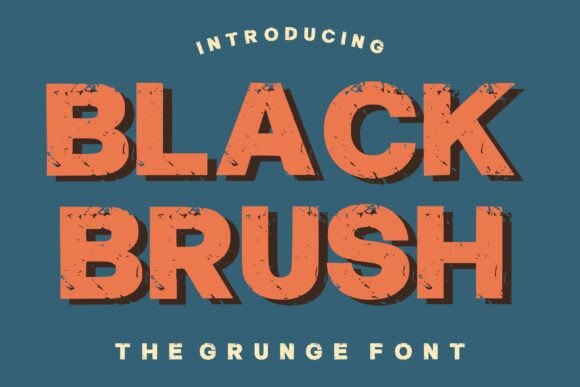
Black Brush is a bold grunge display font that brings a unique energy to any design project. With its strong vintage personality and distressed texture details, it stands out as a powerful tool for designers looking to inject a rebellious, handcrafted feel into their work. This typeface is not just about aesthetics; it's about how it integrates into the broader design process and enhances visual storytelling across various mediums.
Understanding the Role of Black Brush in Design Projects
Before diving into specific use cases, it’s important to understand what makes Black Brush a valuable asset in the design toolkit. Its rugged texture combined with thick, bold lettering creates a powerful visual impact while maintaining readability. This balance between strength and clarity makes it suitable for a wide range of applications, from branding to packaging and social media graphics.
Designers often look for fonts that can convey emotion and character without compromising legibility. Black Brush achieves this by mimicking the look of hand-drawn or distressed text, which gives it an authentic retro feel. This quality makes it particularly effective in projects that aim to evoke nostalgia or a sense of rebellion.
When to Use Black Brush in the Design Process
The versatility of Black Brush allows it to be used at different stages of the design process. During the initial concept phase, it can serve as a visual anchor that helps define the overall tone and direction of the project. For example, when creating a brand identity, using Black Brush in early sketches or mood boards can help align stakeholders on the desired aesthetic.
During the execution phase, Black Brush can be applied to key elements such as headlines, logos, and call-to-action buttons. Its high contrast and distinctive style make it ideal for drawing attention in posters, t-shirts, and album covers. It also works well in digital contexts like social media graphics where quick visual recognition is crucial.
After the main design work is completed, Black Brush can be used for refinements and finishing touches. It might be employed in packaging designs to add a tactile, handcrafted element or in marketing materials to reinforce a brand’s edgy persona. The font’s ability to stand out ensures that it remains effective even in small or subtle applications.
How Black Brush Interacts with Other Design Elements
One of the key considerations when using Black Brush is how it interacts with other design elements. Since it has a strong visual presence, it should be paired with complementary colors and layouts that allow it to breathe. High-contrast color combinations often work best, such as pairing it with white or light gray backgrounds to highlight its textured appearance.
In terms of layout, Black Brush functions well in both large and small formats. When used in headlines, it commands attention, but it can also be scaled down for subheadings or accents without losing its character. Designers should ensure that the spacing and alignment are carefully considered to maintain readability, especially in longer texts.
Black Brush also pairs well with other grunge or distressed textures in design compositions. This synergy can enhance the overall authenticity of the visual narrative. However, it’s important to avoid overusing similar effects, as this can lead to visual clutter and reduce the effectiveness of the message being conveyed.
Practical Implementation Tips for Using Black Brush
To integrate Black Brush effectively into your workflow, consider the following tips:
- Test in Different Contexts: Experiment with Black Brush in various design scenarios to see how it performs under different conditions. This will help you determine its suitability for specific projects.
- Use Layered Textures: Enhance the distressed look of Black Brush by applying layered textures or overlays. This can add depth and complexity to your designs.
- Balance with Clean Typography: Pair Black Brush with more traditional or clean fonts to create contrast and hierarchy within the design. This approach can help guide the viewer’s eye through the content more effectively.
- Optimize for Readability: While Black Brush is visually striking, it’s essential to ensure that it remains readable. Avoid using it in long paragraphs or small text sizes where it may become difficult to decipher.
- Consider File Formats: When exporting final designs, choose file formats that preserve the quality of Black Brush. Vector formats like SVG or PDF are ideal for print, while PNG or JPEG files work well for digital use.
By keeping these practical considerations in mind, designers can maximize the potential of Black Brush while ensuring that it complements rather than overwhelms the overall design.
Long-Term Use and Integration into Branding Strategies
For businesses and brands looking to establish a consistent visual identity, Black Brush can be a valuable asset in long-term branding strategies. Its unique style can help differentiate a brand from competitors and create a memorable impression on audiences.
However, it’s important to use Black Brush consistently across all touchpoints to maintain brand recognition. Whether it’s used in logos, packaging, or promotional materials, the font should reflect the core values and personality of the brand. This consistency helps build trust and familiarity among consumers.
Designers should also consider the scalability of Black Brush when planning for future projects. As brands evolve, their visual identities may need to adapt. Ensuring that Black Brush remains relevant and versatile over time can help avoid the need for frequent rebranding efforts.
Additionally, integrating Black Brush into digital assets like websites and mobile apps requires careful consideration of responsiveness and accessibility. Testing the font across different screen sizes and devices can help ensure that it performs well in all environments.
Conclusion
Black Brush is more than just a font—it’s a design tool that can significantly influence the outcome of a project. By understanding its strengths and limitations, designers can leverage it to create compelling visuals that resonate with audiences. Whether used in the early stages of concept development or as a finishing touch in the final product, Black Brush offers a unique way to express creativity and personality through typography.
As with any design element, the key to success lies in thoughtful integration and strategic application. By considering factors such as context, compatibility, and long-term use, designers can ensure that Black Brush becomes a valuable part of their creative workflow and contributes to the overall success of their projects.